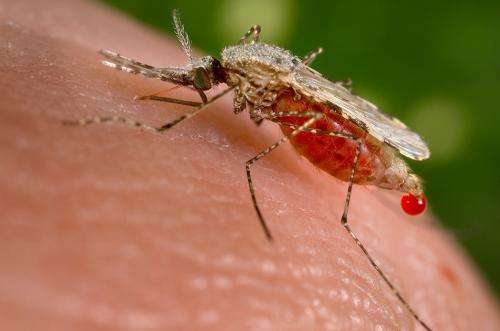
Malaria is a disease caused by parasites that are transmitted through mosquitoes. The World Health Organization (WHO) cites the Plasmodium parasites as the causative agent of Malaria, naming five specific types of Plasmodium. P. falciparum and P.vivax are the most common and account for most cases of malaria. These parasites are transmitted by the bite of infected female Anopheles mosquitoes.
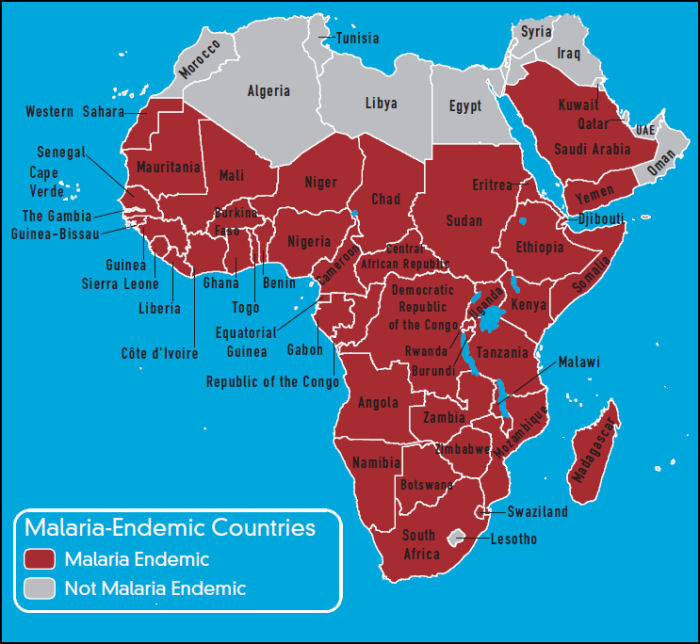
Malaria most effects tropical and subtropical areas of the world. WHO reports 90% of all malaria cases have occurred in the African region, followed by South-East Asia and the Eastern Mediterranean. The hot, humid weather of Africa allows for year-round transmission of the virus, as the temperatures do not cool enough to kill mosquitoes. Lower-income areas are hit hardest, as they may lack preventative resources and options for treatment. According to the Center for Disease Control (CDC), within these areas Malaria is known to be a leading cause of death and disease especially among those who are already susceptible to disease–such as young children, pregnant women, and the immunocompromised. Many adults who live in these regions have acquired a built-up immunity against malaria through the years. However, healthy adult travelers and migrants are often susceptible to malaria due to lack of exposure to the parasites.
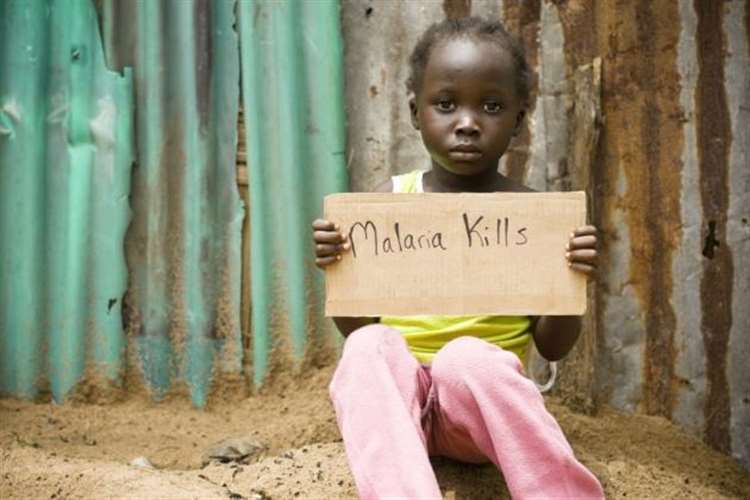
While malaria is both preventable and curable, it still kills hundreds of thousands of people each year (approximately 445,000 people per year, according to the CDC). About 90% of those deaths occur in Africa. The high death toll causes significant costs at both the individual and national level. The individual has to coordinate purchasing the treatment and travel to clinics as well as taking the brute of the loss of time and work. The government struggles with providing enough care and medicine so that those who need treatment have the ability to obtain it as well as the loss of income that is associated with the individual losing time at work.
This high mortality rate is largely due to the issues associated with getting the treatment out to rural Africa or getting individuals from the rural areas into a clinic. However, cheap and effective preventative measures include vector control, where “vector” refers to the transmitting agent of the disease, the mosquito. Vector control is most commonly achieved in one of two ways: insecticide-treated mosquito nets and indoor residual spraying. If diagnosis occurs early in infection treatment is often successful using artemisinin-based combination therapy (WHO). Artemisinin-based combination therapy is a combination of different drug therapies
Brackley, P. (2017). Retrieved from https://www.cambridgeindependent.co.uk/business/malaria-kills-a-child-every-two-minutes-and-now-mosquitoes-are-becoming-resistant-to-insecticide-9051587/
CDC – Parasites – Malaria. (2019, October 2). Retrieved October 31, 2019, from https://www.cdc.gov/parasites/malaria/index.html.
Kibret. (2019). Malaria-Endemic Countries in Africa. Retrieved from http://www.traveldoctor.co.uk/africa.htm
Malaria. (n.d.). Retrieved October 31, 2019, from https://www.afro.who.int/health-topics/malaria.
Mosquito biting flesh. (2018). Retrieved from https://medicalxpress.com/news/2018-06-silent-carriers-malaria-disease.html
Ohanesian, A. (2017). Retrieved from http://theconversation.com/what-africa-still-needs-to-do-to-eliminate-malaria-76526
 Global Health