-
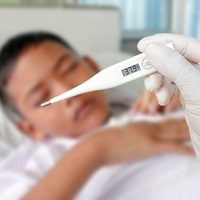
Rheumatic Heart Disease
Heart failure is a problem that has long been known to plague the world. People in developing countries, where educational resources and preventative treatments are lacking, are often affected at higher rates than those in developed nations. Rheumatic heart disease is the cause of death for over 250,000 young people annually, with a documented… Read more
-
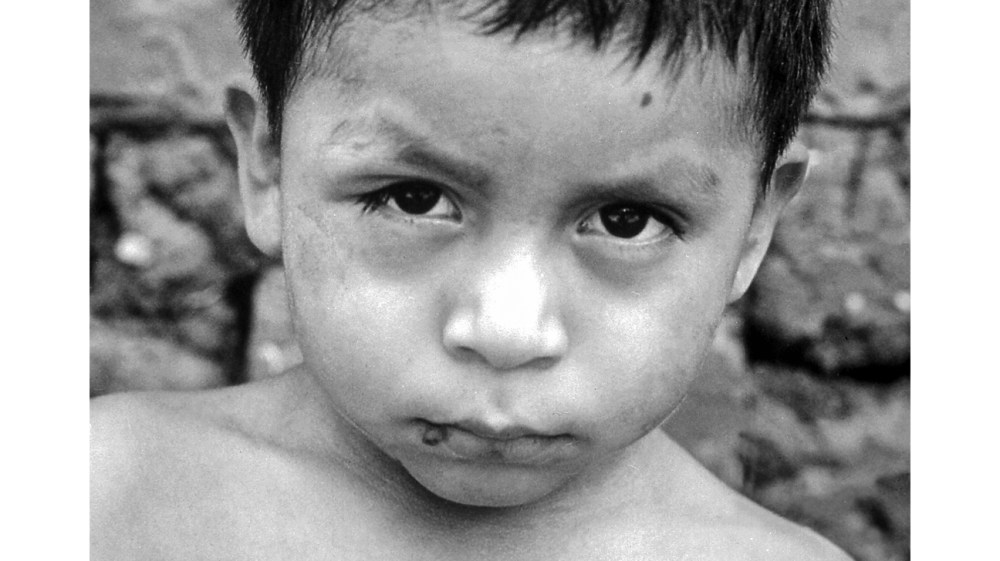
Chagas Disease
The Center for Disease Control (CDC) describes Chagas Disease, or American Trypanosomiasis, as a parasitic disease causes by Trypanosoma cruzi. This parasite is typically transmitted through animals by insect vectors, triatomine bug or “kissing bug,” so named because it often bites around the mouth. Transmission can also occur through blood transfusions or organ transplants,… Read more
-

Iron Deficiency Anemia
Iron deficiency is the most common nutritional deficiency worldwide, though more prevalent in developing countries, due to inadequate nutrition and limited access to preventative healthcare. It is caused by an inadequate amount of iron within the body. Iron is important to many bodily functions including transportation of oxygen and metabolism. Anemia is the key indicator… Read more
-

Female Genital Mutalation
The World Health Organization defines Female Genital Mutilation (FGM) as any procedure that intentionally alters the female genital organs for non-medical reasons. The World Health Organization estimated that more than 200 million girls and women are affected by FGM in the world today. These cutting practices are usually performed upon young girls between the ages… Read more
-
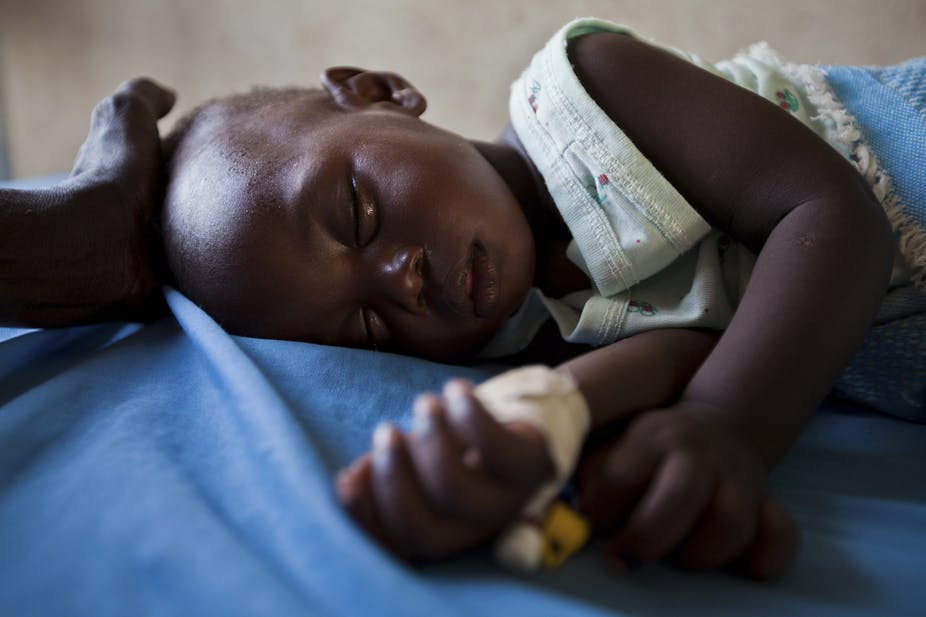
Malaria
Malaria is a disease caused by parasites that are transmitted through mosquitoes. The World Health Organization (WHO) cites the Plasmodium parasites as the causative agent of Malaria, naming five specific types of Plasmodium. P. falciparum and P.vivax are the most common and account for most cases of malaria. These parasites are transmitted by the bite… Read more
Follow My Blog
Get new content delivered directly to your inbox.
 Global Health