Iron deficiency is the most common nutritional deficiency worldwide, though more prevalent in developing countries, due to inadequate nutrition and limited access to preventative healthcare. It is caused by an inadequate amount of iron within the body. Iron is important to many bodily functions including transportation of oxygen and metabolism. Anemia is the key indicator of an iron deficiency and is defined as a hemoglobin level two standard deviations below normal (Wang, 2016). Hemoglobin is the protein that is responsible for transporting oxygen throughout the body. This deficiency effects children more significantly than adults because of a combined problem of getting insufficient iron while rapidly growing. Anemia is known to affect up to one-half of children younger than five years old (Wang, 2016).
Most children with mild anemia do not exhibit any clear signs and therefore often to not get a diagnoses or treatment until the disease has progressed. There are three types of Iron Deficiency Anemia that affect children and adults worldwide: microcytic, normocytic, and macrocytic anemia.
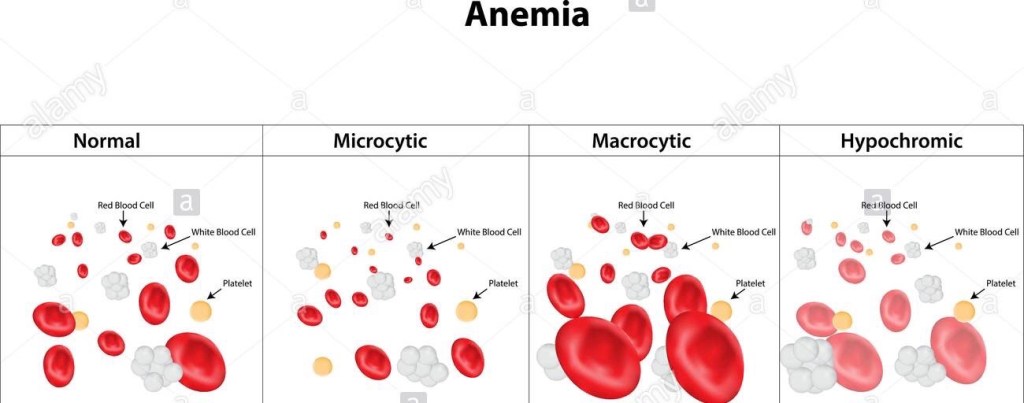
Microcytic anemia is known to be the most common form of anemia in children and is most commonly caused by an iron deficiency due to malnourishment (Gotter & Weatherspoon, 2018). Long term iron deficiencies result in red blood cells that are smaller than normal. It also results in low levels of hemoglobin. Hemoglobin is needed to transport oxygen and is created from iron. Therefore, those with microcytic anemia often present physical symptoms including fatigue, weakness, loss of stamina, shortness of breath, dizziness and pale skin (Gotter & Weatherspoon, 2018).
Normocytic anemia is that characterized by red blood cells that are normal in size but still do not produce enough hemoglobin. This type is often found in those who are immunocompromised and/or have infectious diseases, inflammatory diseases, kidney disease, or cancer, as all of these conditions prevent red blood cells from functioning normally (Gotter & Weatherspoon, 2018).
Lastly, macrocytic anemia is characterized by red blood cells that are larger than normal and fewer in numbers. This is often caused by a deficiency of the molecules necessary for the production of the red blood cells, vitamin B12 and folate.
Iron-deficiency anemia is treated by simply increasing nutrient intake. These nutrients differ slightly depending on the cause of the anemia.
Most treatments for anemia are simple and may vary based on the type of anemia presented by the patient. All treatments include increasing the amount of available nutrients in the body. Some people may be treated simply with diet modifications or by taking iron supplements. However, most of the time just increasing iron is not enough, and other supplements are prescribed, such vitamin C which is necessary for the absorption of iron into the bloodstream. However, if the anemia has progressed to the point of being life-threatening, a blood transfusion may be necessary to increase the number of healthy red blood cells (Gotter & Weatherspoon, 2018).
(2017). Retrieved from https://medicalxpress.com/news/2017-06-nutritional-iron-deficiency-anemia-children.html
(n.d.). Retrieved from https://www.alamy.com/stock-photo-types-of-anemia-78697012.html
Gotter, A. (2018, November 6). Everything You Need to Know About Microcytic Anemia. Retrieved November 3, 2019, from https://www.healthline.com/health/microcytic-anemia.
Wang, M. (2016, February 15). Iron Deficiency and Other Types of Anemia in Infants and Children. Retrieved November 3, 2019, from https://www.aafp.org/afp/2016/0215/p270.html#sec-5.
 Global Health